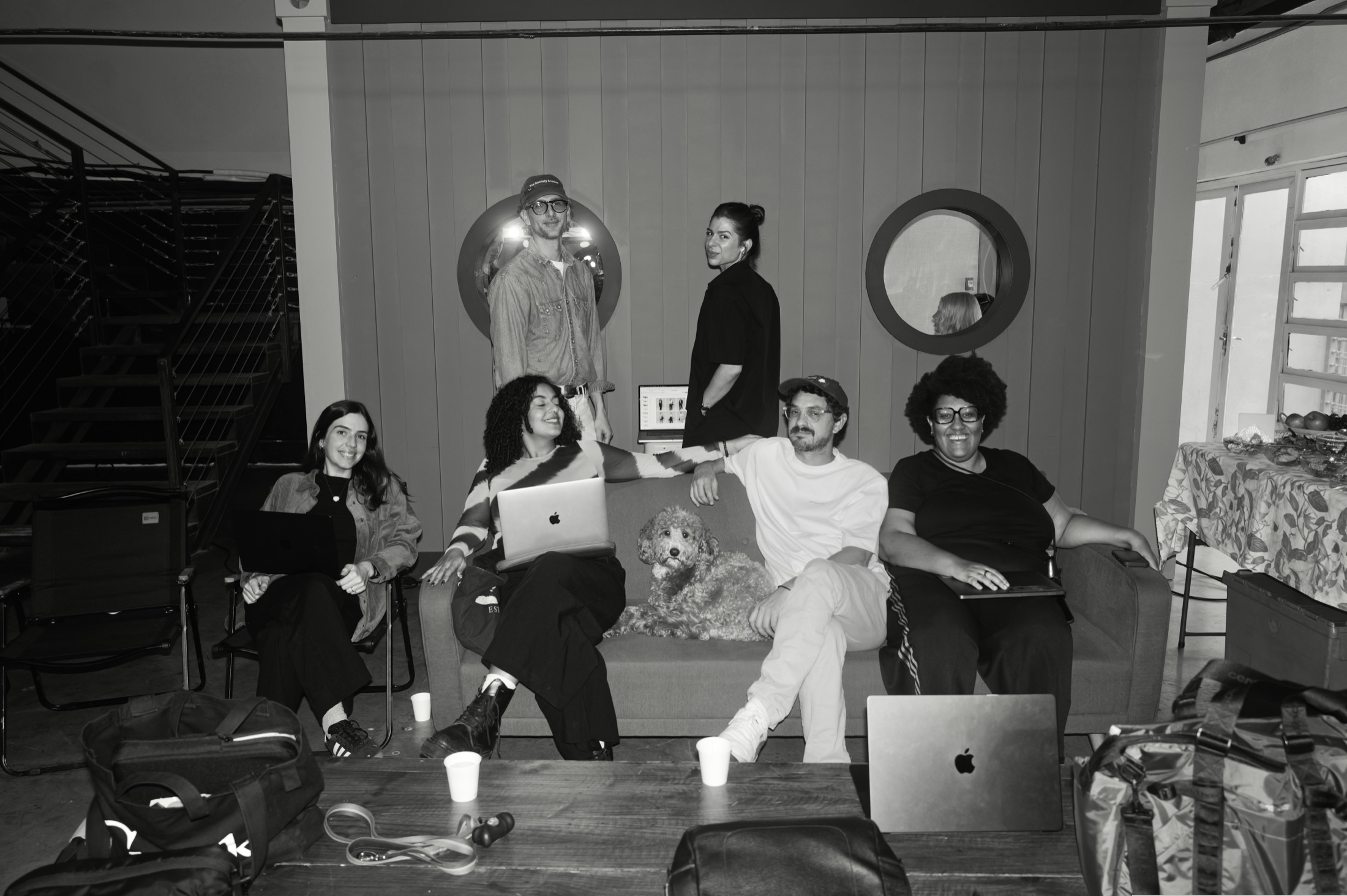


I have never worked somewhere that I felt protected its people. The closest I came was at a large multinational where protection often looked more like tolerance. Those who performed were recognized, and grew, while those who did not could remain without being challenged or held accountable. There was stability, but also room for mediocrity to become comfortable. I never saw that as care.
I also never believed that protecting a team and delivering business results were opposing choices. For many years, I led teams without having a meaningful say over the volume coming our way or any direct benefit from the additional revenue it generated. I cared deeply about the performance of the business, but resisted the idea that growth had to come from consuming the very people responsible for creating it.
When the workload became unreasonable, I stepped in alongside my team. I shared the weight, stayed close to the decisions, and helped them move through complexity quickly. We removed waste and ambiguity so we could focus our energy where it created the most value.
The business impact was consistent. My teams generated more new business than any other team around us and delivered the strongest proportional revenue growth across the clients we served. The way we operated, through proximity, clarity, fast decisions, and shared responsibility, also helped form exceptionally capable professionals who learned to lead complex projects themselves.
As their judgment, confidence, and ownership grew, the output improved, and client relationships expanded. By protecting the team's ability to deliver exceptional work, growth became part of the value we created with our clients, rather than an additional demand competing with the delivery itself.
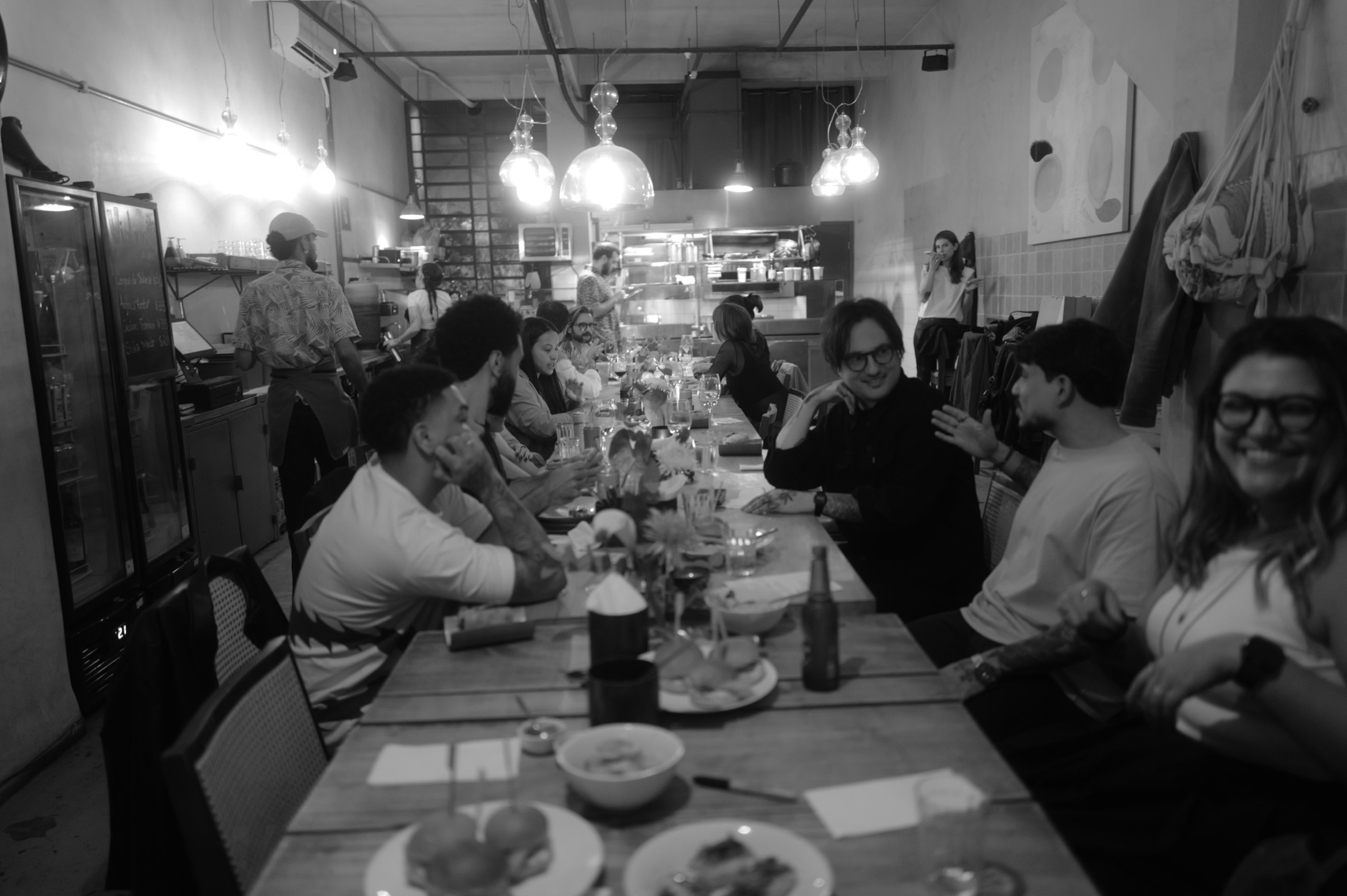
Recently, someone who worked on my team many years ago told me that, as a leader today, she tries to remain human in the middle of chaos because that was what she had learned from working with me. It reminded me that the environment we create for others shapes how they perform, grow and eventually lead.
For most of my career, I tried to create that environment without having the authority to change the system around it. I could help my team handle the volume, but I could not decide how much entered in the first place. I was protecting space after many of the decisions that consumed it had already been made.
Today, as COO of Matter, I can act further upstream. I can help shape how much pressure enters the business, where it lands and what it asks of the team. What I once did as containment, I can now apply when designing the system itself.
Those years taught me that using every available hour is not the same as creating the most value from a team.
Full capacity is not the same as full potential.
A team operating at one hundred percent can keep delivering what it already knows how to deliver, but it has little chance of discovering what else it might be capable of. A road at full capacity is a parking lot. A creative company is not so different. When there is no room to move, everything slows down, even if everyone looks busy.
Creative businesses do not have the luxury of moving slowly, which is precisely why creating room matters. It does not mean lowering the pace or avoiding pressure. It means making deliberate choices about where speed matters, so the team can respond when the context changes and focus on the decisions that will make the greatest difference to the client.
I have seen the difference between pressure that sharpens thinking and pressure that simply depletes. A tired team repeats itself. A cornered one plays safe, delivers the acceptable version and gradually stops arguing for something better. The result begins to look like it could belong to anyone, and something that could belong to anyone is the first thing a client learns to stop paying for.
Professionals also need time to develop authorship over what they create. Authorship does not come with a title or a name on a project. It is built through depth, revision and the opportunity to understand why one solution is stronger than another. This is how we develop taste and judgment, and learn to trust both.
That trust enables real ownership of what we create and of our own growth. We stop waiting for someone else to define what good looks like and begin to develop a standard of our own.
The space I once tried to preserve inside the delivery is the space I can now consider when shaping the system. Sometimes it means time for a third pass. Sometimes it allows a disagreement to be explored because nobody is drowning. Sometimes it is the confidence to say, "This is not there yet," even when an acceptable version is already on the table. None of it appears neatly on a timesheet, but all of it appears in the final result.
Making room requires choices that can feel expensive. We turn work down before growth starts consuming what makes growth possible. The cost is immediate, while the return may take months to become visible. But after twenty years inside fast-moving creative environments, I keep returning to the same conclusion: how we operate shapes what we deliver, and a company that consumes its people will eventually produce consumed work.
My role now is to build what I once had to fight for from inside the delivery: clarity, accountability, shared responsibility and enough room for people to become better than they already are.
Protecting people was never the cost of the business. It is how you build one worth keeping.