
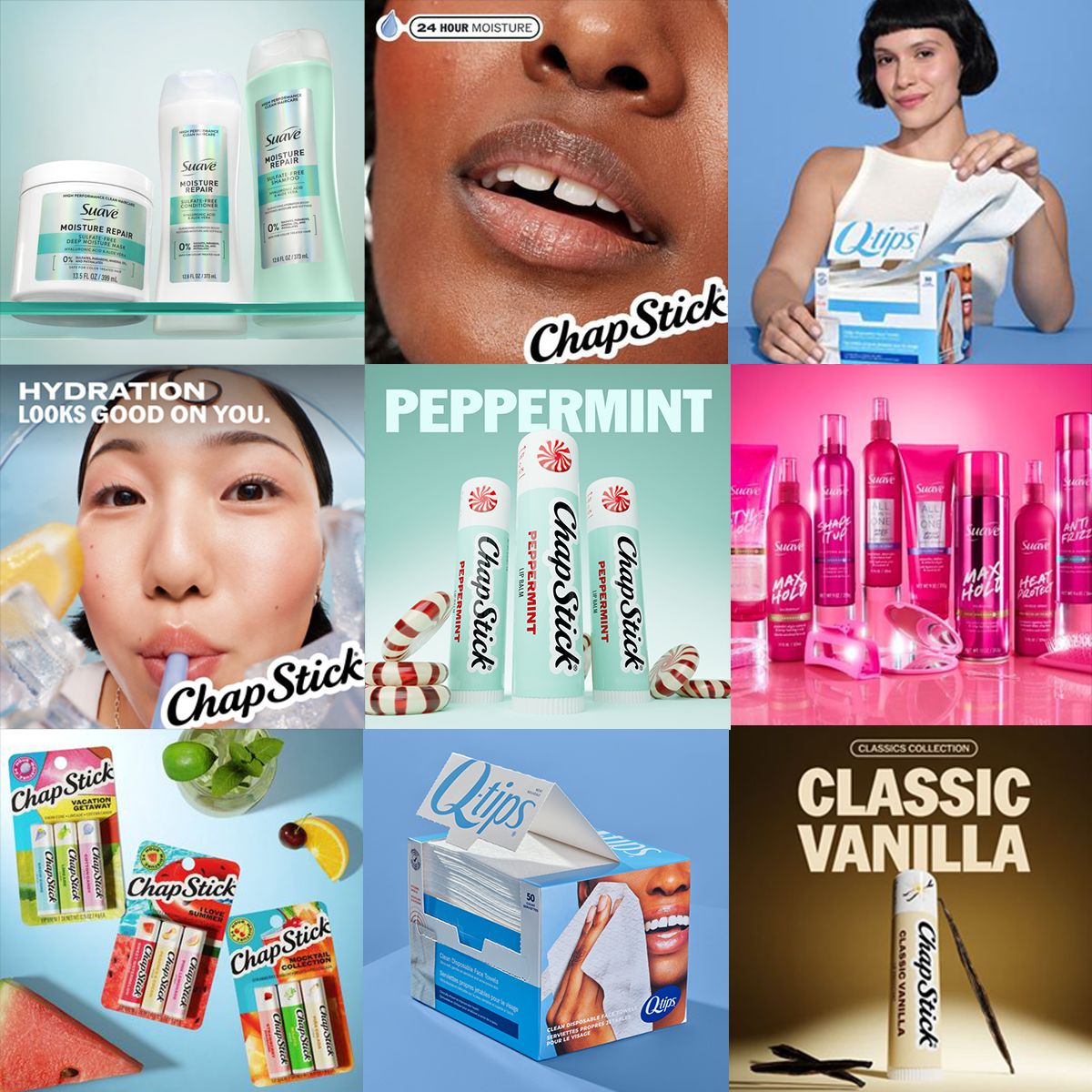
Our industry treats product pages as the end of the funnel, so they receive whatever time and care are left at the end. Brand strategy in beauty usually stops at the campaign: we build the context, the promise, the tension, the reason to believe, and then hand the final stretch to whoever manages files. What comes before is treated as thinking. What happens on the digital shelf is treated as production.
That logic runs backwards. The Product Detail Page (PDP) is where the funnel actually lives: the one place a brand’s entire argument gets tested in front of a person with a cart and a few seconds of attention.
A film gives an idea sound, time, and an arc to carry it. On the digital shelf, the same idea gets a few frames, no music, almost no story. Everything has to happen through composition, hierarchy, copy, texture, product truth, and the one promise you choose to lead with. The canvas is tighter, and the challenge is more compressed, which makes it a bigger creative problem than it looks, and we had been treating it as a smaller one.
So we started looking at where the idea was actually landing. What we found was fairly consistent: a stack of assets rather than a directed experience. Copy that had gone flat. Product that no longer looked or felt like the real thing. Usage imagery without much life in it. The idea had been dying in a place we weren’t looking.
Beauty makes this especially visible. So much of the category is emotional: skin, memory, identity, ritual, how you want to feel when you walk out the door. Twenty years in this industry teach you that brands are relationships before they are campaigns, and relationships are built by showing up, recognizably, in the moments that decide how someone feels about you. A brand can spend months building that feeling and then hand the final inch before purchase to a production queue.
So before we design a page, we listen. Real conversations about the product and the category, the words people actually type when they go looking, the brand’s own live pages read honestly. They guide what each part of the page needs to say, and as a rule they show us gaps. The distance between the brand a brand thinks it has and the brand people actually use is a product-page strategy waiting to be written, brick by brick, into every module of every PDP. Closing that distance is a design problem before it is an execution problem.
That tension is what PDP Studio answers. The question was never how to make pages faster. It was where creative intelligence should live. A large part of PDP work repeats by nature: adapting one idea across retailers, chasing specs, rebuilding what already exists. We built instruments to carry that part. They version one idea across retailers, chase the specs, rebuild what already exists, and multiply what should be multiplied: backgrounds, textures, surfaces. Never people, never hair, never skin. In a category that sells to bodies, that is a line worth saying out loud.
What the instruments buy is room more than speed. Room for strategy and art direction, for deciding what the hero frame needs to say, for the ten small decisions between a technically correct page and a genuinely convincing one. And because the instruments learn, every cycle gets sharper: they see how people are talking about the product, they move while the cultural moment is still alive, and they show us what is working. Creative hands stay on the work throughout, never waiting at the end with an approval stamp.
Creative quality and conversion were never opposites. We had simply stopped looking closely at the place where both get decided. We have been showing PDP Studio to brands lately, market by market, and each culture opens its own room for how personal the pages can get. If you are thinking about what happens to your brand in that final inch before purchase, talk to us.